Release Business Growth: Personalized SEO Services for Your Brand
In today's competitive landscape, businesses must consider tailored SEO services to unlock growth. A generic approach often fails, leaving distinct brand needs unaddressed. By targeting specific audience data and industry obstacles, organizations can develop effective strategies. This personalized approach is essential for enhancing exposure and increasing traffic. However, understanding how to execute these strategies effectively is crucial. What are the key elements that make tailored SEO truly impactful?
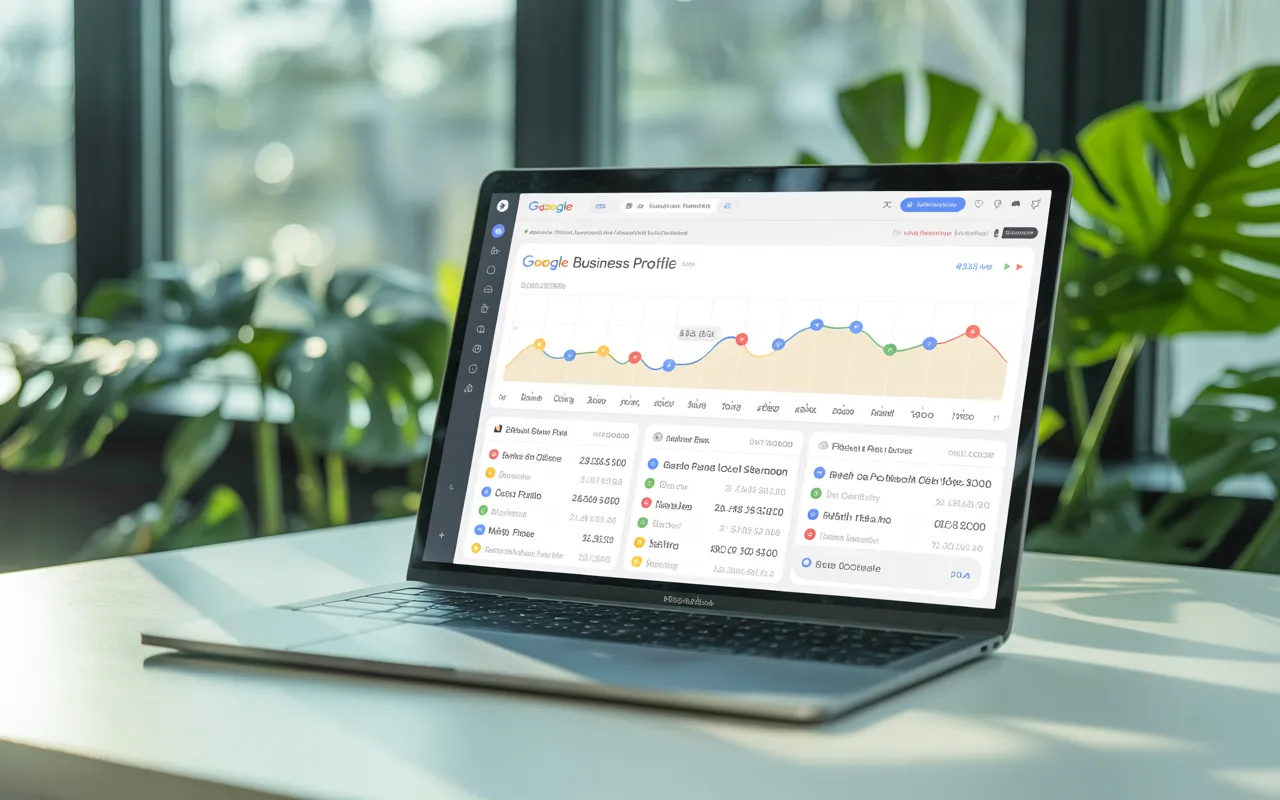
How to Pinpoint Your Unique SEO Demands
How should a brand effectively identify its particular SEO needs? The approach initiates with a thorough investigation of the brand's intended market and competitive environment. Recognizing who the potential customers are and what search terms they employ is vital. This can be realized through keyword exploration, which helps locating relevant phrases and inquiries that appeal to the audience.
Next, companies should evaluate their current website performance using analytical platforms. Metrics such as organic traffic, exit percentages, and sales percentages offer understanding into areas needing improvement. Additionally, conducting an SEO audit reveals technical problems, such as broken links or sluggish page speeds, that may hinder search rankings.
Ultimately, matching SEO objectives with broader business objectives is important. By explicitly outlining desired outcomes, such as increased visibility or lead generation, brands can customize their SEO approaches efficiently. This focused approach guarantees that initiatives yield significant results in line with the brand's vision.
Why Personalized SEO Is Crucial to Growing Your Business
Personalized search engine optimization is critical for enterprises attempting to strengthen their online visibility and fuel growth. By customizing strategies to fulfill unique business sector needs and intended audiences, companies can improve online visibility in search results. generic SEO approaches frequently struggle to resolve specific challenges, producing forfeited opportunities for interaction and sales.
A personalized SEO approach considers various elements, such as the competitive landscape, customer behavior, and new developments. This focused approach enables businesses to emphasize relevant keywords, enhance content effectively, and utilize analytics for ongoing optimization.
Furthermore, personalized SEO builds deeper relationships with clients by aligning content with their preferences and desires, improving customer satisfaction. As search engines continuously favor pertinent and premium content, businesses that invest in customized SEO are better positioned to draw and retain clients. Ultimately, personalized SEO is a crucial undertaking that drives long-term expansion and strengthens brand recognition in a competitive digital marketplace.
Core Building Blocks of Specialized SEO Tactics
Successful customized SEO methods depend on critical components, mainly keyword analysis methods and content optimization strategies. These elements operate together to boost visibility and interaction, guaranteeing that a brand connects with its intended customers efficiently. By implementing accurate techniques in these areas, businesses can greatly improve their digital footprint.
Keyword Investigation Methods
Maximizing the strength of tailored SEO approaches initiates with solid keyword research methodologies. These methodologies include finding fitting keywords that match a brand's objectives and target consumers. Employing tools such as Google Keyword Planner or SEMrush, businesses can uncover high-traffic keywords and assess competition intensity. Long-tail keywords also function as an crucial role, as they tend to draw more focused search queries, enhancing conversion rates. Additionally, analyzing competitors' keywords can present insights into market trends and opportunities. Effective keyword research not only informs content strategy but also facilitates in perceiving customer intent, confirming that the brand's digital presence resonates with its audience. To summarize, thorough keyword research sets the foundation for successful SEO initiatives.
Content Refinement Strategies
Building on the knowledge obtained from search term analysis, content optimization strategies are crucial for improving a brand's online visibility. Successful approaches include crafting premium, compelling material that aligns with user intent and integrates focus terms seamlessly. Utilizing header tags and bullet points enhances readability, while ensuring metadata, such as page titles and snippet text, is refined can greatly influence CTR. Additionally, integrating multimedia elements like pictures and visual get going content enriches visitor engagement and promotes longer page sessions. Regularly updating content helps maintain relevance and authority in online indexes. Tracking results through data analysis allows for ongoing improvement, ensuring that the optimization strategies evolve with shifting industry patterns and audience preferences, ultimately generating sustainable growth for the company.
Widespread Missteps to Circumvent With Bespoke SEO
In the field of bespoke SEO, companies often make critical errors that can hinder their success. Neglecting keyword research and disregarding competitor analysis are two common pitfalls that can substantially impact visibility and performance. Resolving these mistakes is critical for developing an effective SEO strategy that truly appeals with the target audience.
Neglecting Keyword Exploration
Ignoring keyword analysis can weaken even the most meticulously crafted SEO strategies. Without a strong knowledge of the keywords and expressions prospective clients use, brands might fail to draw relevant traffic. This neglect can cause ineffective content that does not connect with the target audience, ultimately leading to lost opportunities for interaction and conversion. Moreover, ignoring keyword research often places the brand at a competitive disadvantage by missing out on popular trends and emerging search terms. Customized SEO services must prioritize comprehensive keyword research to match content with user intent. By using powerful keyword techniques, businesses can boost visibility, increase search rankings, and generate sustainable growth, ensuring their efforts yield significant results in a crowded digital environment.
Ignoring Competitor Analysis
Neglecting to conduct thorough competitor analysis can markedly diminish a brand's SEO efforts. Many businesses overlook this crucial step, concentrating exclusively on their own approaches. However, grasping competitors' advantages and disadvantages is vital for identifying opportunities and threats in the market. By examining competitor search terms, content strategies, and backlink profiles, brands can uncover gaps in their own search engine optimization methods. This insight enables more efficient keyword selection and content development that appeals to the target audience. Additionally, competitor analysis can showcase effective strategies that can be adapted to fit a brand's specific requirements. Ignoring this aspect may result in missed opportunities and stagnated growth, ultimately hindering the brand's market advantage in an ever-evolving digital landscape.
Tracking Your SEO Performance
What approaches can a company use to truly understand the efficiency of its search optimization work? Evaluating search engine optimization results requires a layered strategy that incorporates tracking various critical metrics (KPIs). Organic traffic is a primary metric, demonstrating the volume of users entering via search platforms. Additionally, brands should observe search term placements to assess visibility and relevance.
Engagement indicators, such as exit rates and mean visit length, provide understanding into user engagement and content effectiveness. Conversion rates are crucial, as they show how well SEO approaches convert to desired actions, such as purchases or questions.
Harnessing tools like Google Analytics and Search Console can boost analytics gathering, presenting extensive reports on performance trends. Periodically reviewing this data facilitates brands to execute informed adjustments to their SEO strategies, ensuring continuous enhancement and alignment with corporate objectives. Ultimately, these assessments help quantify the return on investment from search optimization efforts.
Upcoming Steps: Choosing the Best SEO Ally for Your Brand
Determining the suitable SEO partner can profoundly influence a business's digital visibility and advancement. Businesses should start by assessing their specific needs, whether it's local SEO, technical optimization, or content marketing. A potential partner's expertise in these areas is vital.
Subsequently, assessing the partner's performance history is vital; case studies and client testimonials deliver insight into their effectiveness. Transparent dialogue is yet another important factor; a reputable SEO partner should distinctly communicate their strategies and anticipated results.
In addition, consider the solutions and systems the partner implements, as contemporary SEO requires cutting-edge analytics and reporting capabilities.
Finally, evaluate the cultural fit between the brand and the SEO agency. A shared vision can improve teamwork and deliver better results. By taking these steps, brands can select an SEO partner that matches their goals and promotes long-term growth.
Regular Questions Which Come Up Often
What duration Does It require to see SEO results?
Commonly, it takes three to six months to see detectable SEO results. However, this timeframe can shift based on considerations such as competition, website age, and the potency of the established strategies. Forbearance is essential.
What Cost Should You Anticipate for Customized SEO Services?
The expense of tailored search engine optimization solutions differs significantly, falling from $500 to $5,000 per month, based on the provider, the offerings scope, and the requirements of the business seeking optimization.
Is it feasible for me to handle SEO myself or should I engage a consultant?
Businesses can decide to undertake SEO internally or bring on professionals. Performing SEO independently necessitates commitment and skill development, while professionals present proficiency and optimization, contingent upon the business's capabilities, priorities, and projected outcomes.
How Greatly Do Search Engine Algorithms Modify SEO Strategies?
Search algorithms significantly influence SEO approaches by establishing ranking criteria. As algorithms evolve, businesses must adapt their methods, stressing quality content, user satisfaction, and relevant keywords to maintain visibility and boost traffic efficiently.
Which Resources Are Necessary for Effective SEO Assessment?
Vital instruments for efficient SEO assessment include Google Analytics for tracking traffic, SEMrush for keyword investigation, Moz for backlink analysis, Ahrefs for competitive insights, and Screaming Frog for website reviews, assuring comprehensive performance measurement.